Optimizing Nonprofit Operations with Nonprofit Grant Management
Nonprofit organizations often face the challenge of managing multiple funding sources while ensuring compliance and maximizing impact. Efficiently handling grants is crucial to sustaining and growing nonprofit programs. This is where nonprofit grant management becomes a vital part of operational success. By streamlining the grant process, nonprofits can focus more on their mission and less on administrative burdens.
The Importance of Nonprofit Grant Management
Nonprofit grant management involves overseeing the entire lifecycle of a grant, from application to reporting. Proper management ensures that funds are used appropriately and that the organization meets all requirements set by funders. This process helps nonprofits avoid common pitfalls such as missed deadlines, inaccurate reporting, and inefficient use of resources.
Effective nonprofit grant management can:
Improve transparency and accountability
Enhance relationships with funders
Increase the chances of securing future grants
Reduce administrative workload
Ensure compliance with legal and financial regulations
For example, a nonprofit focused on community health might receive multiple grants from different sources. Without a structured system, tracking each grant’s requirements and deadlines can become overwhelming. Implementing a grant management system helps keep all information organized and accessible, reducing errors and saving time.

Key Components of Nonprofit Grant Management
To optimize nonprofit operations, it is essential to understand the key components involved in grant management. These components work together to create a seamless process that supports the organization’s goals.
1. Grant Identification and Application
Finding the right grants that align with the nonprofit’s mission is the first step. This involves researching funding opportunities, understanding eligibility criteria, and preparing compelling applications. A well-written grant proposal increases the likelihood of funding approval.
2. Budget Planning and Allocation
Once a grant is awarded, creating a detailed budget is critical. This budget outlines how funds will be spent and ensures that expenditures align with the grant’s purpose. Proper budget management helps prevent overspending and supports financial transparency.
3. Compliance and Documentation
Nonprofits must adhere to the specific rules and regulations set by funders. This includes maintaining accurate records, submitting required reports, and following audit guidelines. Compliance protects the organization from legal issues and maintains funder trust.
4. Monitoring and Reporting
Regular monitoring of grant activities ensures that the project stays on track. Reporting progress to funders demonstrates accountability and provides evidence of impact. Timely and accurate reports are often a condition for continued funding.
5. Evaluation and Improvement
After a grant period ends, evaluating the outcomes helps nonprofits learn what worked and what didn’t. This information is valuable for improving future grant applications and program implementation.
What is the difference between grant administration and grant management?
Understanding the distinction between grant administration and grant management is important for nonprofits aiming to optimize their operations.
Grant Administration typically refers to the administrative tasks involved in handling grants. This includes processing applications, managing paperwork, and ensuring compliance with funder requirements. It is often seen as a subset of grant management.
Grant Management is a broader concept that encompasses the entire grant lifecycle. It includes strategic planning, relationship building with funders, budgeting, compliance, monitoring, reporting, and evaluation. Grant management focuses on maximizing the impact of the grant and aligning it with the nonprofit’s mission.
For example, grant administration might involve tracking deadlines and submitting reports, while grant management would also include analyzing how the grant funds contribute to program goals and making adjustments as needed.
How Grant Management Services Enhance Nonprofit Efficiency
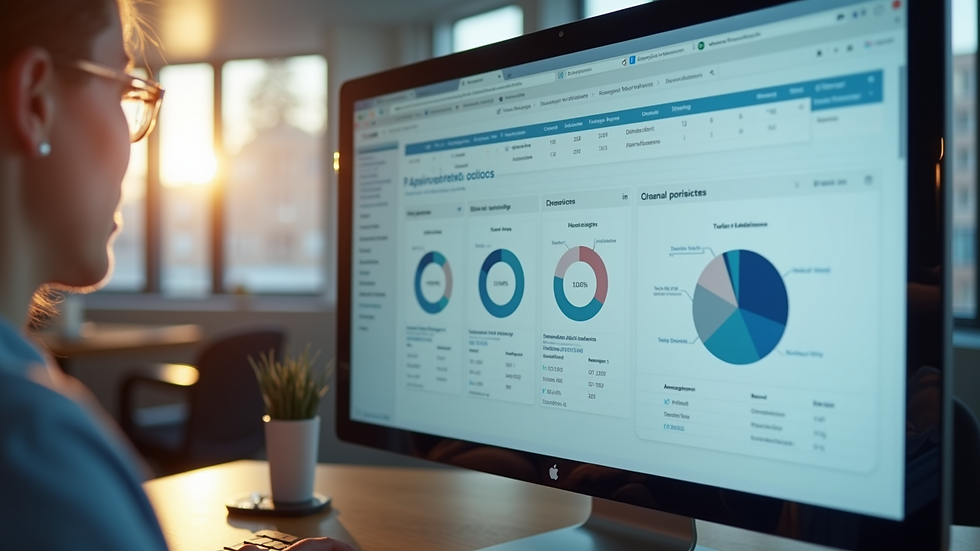
Many nonprofits turn to professional grant management services to improve their grant processes. These services provide expertise and technology that help organizations manage grants more effectively.
Benefits of Using Grant Management Services
Centralized Data Management: All grant information is stored in one place, making it easy to access and update.
Automated Reminders: Alerts for deadlines and reporting requirements reduce the risk of missed tasks.
Improved Collaboration: Teams can work together seamlessly, sharing documents and updates in real time.
Enhanced Reporting: Customizable reports help demonstrate impact to funders and stakeholders.
Time and Cost Savings: Reducing manual work frees up staff to focus on program delivery.
For instance, a nonprofit using grant management services can automate the tracking of multiple grants, ensuring that each funder’s requirements are met without overburdening staff. This leads to better compliance and stronger funder relationships.
Best Practices for Implementing Nonprofit Grant Management
To fully benefit from nonprofit grant management, organizations should adopt best practices that support efficiency and effectiveness.
1. Develop a Clear Grant Management Policy
Establish guidelines that define roles, responsibilities, and procedures for managing grants. This policy ensures consistency and accountability across the organization.
2. Invest in Training and Capacity Building
Equip staff with the skills and knowledge needed to manage grants effectively. Regular training helps keep everyone updated on best practices and compliance requirements.
3. Use Technology Wisely
Leverage grant management software or services to automate and streamline processes. Choose tools that fit the organization’s size and complexity.
4. Maintain Open Communication with Funders
Build strong relationships by keeping funders informed about progress and challenges. Transparency fosters trust and can lead to additional funding opportunities.
5. Monitor and Evaluate Continuously
Regularly review grant activities and outcomes to identify areas for improvement. Use data to make informed decisions and enhance future grant strategies.
By following these practices, nonprofits can create a sustainable grant management system that supports their mission and growth.
Looking Ahead: The Future of Nonprofit Grant Management
As the nonprofit sector evolves, so do the tools and strategies for managing grants. Emerging technologies like artificial intelligence and data analytics are beginning to play a role in optimizing grant management.
Nonprofits that embrace innovation will be better positioned to:
Predict funding trends
Customize grant applications
Enhance impact measurement
Streamline compliance processes
Staying informed about these developments and adapting accordingly will help organizations remain competitive and effective in securing and managing grants.
Optimizing nonprofit operations through effective nonprofit grant management is essential for sustaining impact and growth. By understanding the components of grant management, leveraging professional services, and adopting best practices, nonprofits can navigate the complexities of funding with confidence and efficiency.


Comments